
As I whisked together the creamy coconut milk and the vibrant red curry paste, a wave of nostalgia washed over me, transporting me straight to the bustling streets of Thailand. This Thai Coconut Curry With Shrimp is a wonderful tribute to that culinary adventure, effortlessly blending comforting flavors into a dish you can create in your own kitchen. With just 30 minutes of prep time, it’s an easy dinner solution that will impress anyone at your table. Plus, you have the freedom to customize it with your favorite veggies and spice level, making it a versatile go-to for any occasion. So, are you ready to dive into this creamy, flavorful journey?
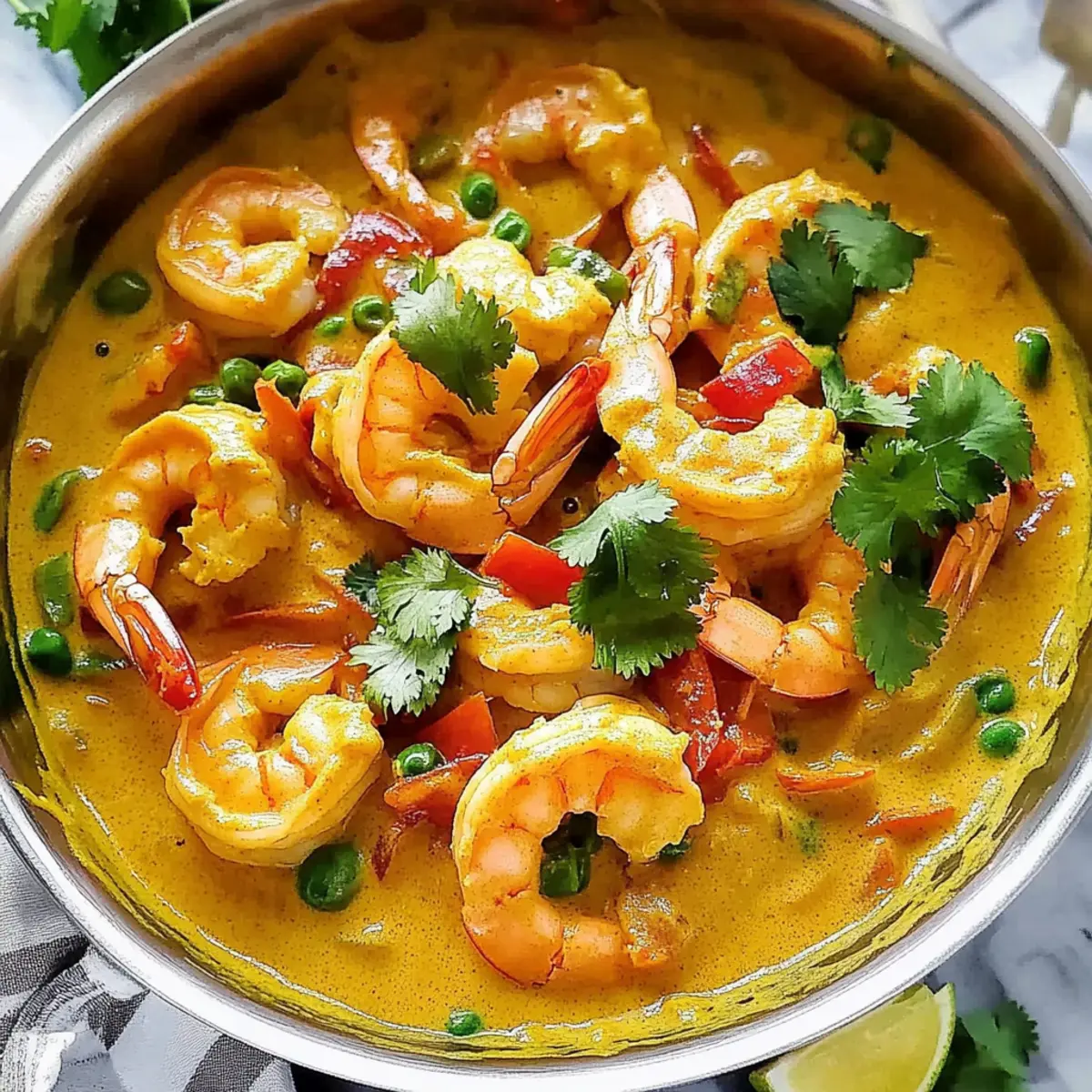
Why is Thai Coconut Curry With Shrimp Amazing?
Flavor Explosion: Each bite bursts with a harmonious blend of sweet and spicy notes, thanks to the rich coconut milk and zesty red curry paste.
Quick & Easy: Ready in just 30 minutes, this dish is perfect for busy weeknights or when you want something impressive without the fuss.
Customizable: Feel free to switch up the veggies or spice levels; add your favorites or whatever’s in season for a personal touch!
Crowd-Pleasing Comfort: This curry is a hit with everyone—adults and kids alike—making it an ideal choice for family dinners or entertaining guests.
If you’re in the mood for more delightful meals, consider trying my Apple Crumble Cheesecake for dessert or Thai Basil Chicken as another quick, flavorful entrée!
Thai Coconut Curry With Shrimp Ingredients
• Let’s gather the essentials for this delicious dish!
For the Curry Base
- Jumbo Shrimp – Provides the main protein; use peeled and deveined for easier eating.
- Vegetable Oil (4 tablespoons) – For sautéing shrimp and vegetables; olive oil can be used as a substitute.
- Garlic (2 cloves, minced) – Adds aromatic flavor that enhances the overall dish.
- Kosher Salt (¼ teaspoon) – Enhances the flavors of all the ingredients; adjust as needed.
- Red Chili Flakes (¼ teaspoon) – Adds heat; feel free to adjust according to your spice preference.
- Onion (½, sliced) – Adds natural sweetness and texture; yellow or white onions work best.
- Bell Peppers (1½, mixed colors) – Provides crunch and sweetness; feel free to substitute with other vegetables like broccoli or bok choy.
- Coconut Milk (1 cup) – The creamy base of the sauce; essential for that rich flavor in the Thai Coconut Curry With Shrimp.
- Fish Sauce (4-6 tablespoons) – Adds depth and umami; start with less and adjust to taste.
- Peanut Butter (2 tablespoons) – Deepens the flavor; can be omitted or replaced with almond butter for nut allergies.
- Red Curry Paste (2 tablespoons) – Infuses spice and flavor into your curry; adjust for desired heat.
- Lime Juice (2 tablespoons) – Brightens the dish and provides acidity; freshly squeezed is best.
- Brown Sugar (1 tablespoon) – Balances the savory and spicy elements with its subtle sweetness.
- Ground Ginger (2 teaspoons) – Adds warm spice notes; fresh ginger can also be used for a bolder taste.
- Basil Leaves (2 tablespoons, chopped) – Adds a refreshing flavor; Thai basil is recommended, but regular basil works too.
- Cilantro (2 tablespoons, chopped) – Brightens the dish; optional garnish for added freshness.
- Green Onion (1, chopped) – For garnish and extra flavor; enhances the presentation.
- Red Jalapeño (optional, thinly sliced) – Provides extra heat and a pop of color to your dish.
Feel free to bookmark this as a guide to creating your favorite Thai Coconut Curry With Shrimp, customized just the way you like it!
Step‑by‑Step Instructions for Thai Coconut Curry With Shrimp
Step 1: Marinate the Shrimp
In a medium bowl, combine the peeled and deveined jumbo shrimp with 1 tablespoon of vegetable oil, minced garlic, kosher salt, and red chili flakes. Toss the shrimp until well coated and let them marinate for 10 minutes. This step flavors the shrimp and sets the stage for a delicious Thai Coconut Curry With Shrimp.
Step 2: Sauté the Vegetables
Heat a skillet over medium-high heat and add 1 tablespoon of vegetable oil. Once hot, sauté the sliced onion and bell peppers for about 5 minutes, stirring occasionally, until they soften and become slightly translucent. This not only builds flavor but also adds vibrant colors to your curry, enhancing the overall visual appeal.
Step 3: Cook the Shrimp
In the same skillet, carefully add half of the marinated shrimp in a single layer. Cook them for 2 minutes on each side, or until they turn opaque and slightly golden. Once cooked, transfer the shrimp to a plate and repeat the process with the remaining shrimp. This ensures each piece is perfectly cooked for your Thai Coconut Curry With Shrimp.
Step 4: Prepare the Coconut Sauce
In a separate bowl, whisk together the coconut milk, fish sauce, peanut butter, red curry paste, lime juice, brown sugar, and ground ginger until smooth. This creamy mixture will serve as the flavorful base for your curry, blending sweet and savory elements that define a classic Thai Coconut Curry With Shrimp.
Step 5: Combine and Simmer
Return the sautéed onions and bell peppers to the skillet and pour in the coconut sauce mixture. Bring it to a boil over medium heat, then reduce the heat to a simmer for about 5 minutes, allowing the sauce to reduce slightly and thicken. You’ll know it’s ready when the aroma fills your kitchen and the sauce coats the back of a spoon.
Step 6: Add the Shrimp and Herbs
Gently add the cooked shrimp back into the skillet, stirring to coat them with the luscious coconut sauce. Mix in the chopped basil and cilantro for a burst of fresh flavor. Cook for an additional 2 minutes on low heat, just enough to heat through. Your Thai Coconut Curry With Shrimp is now aromatic and inviting!
Step 7: Serve and Garnish
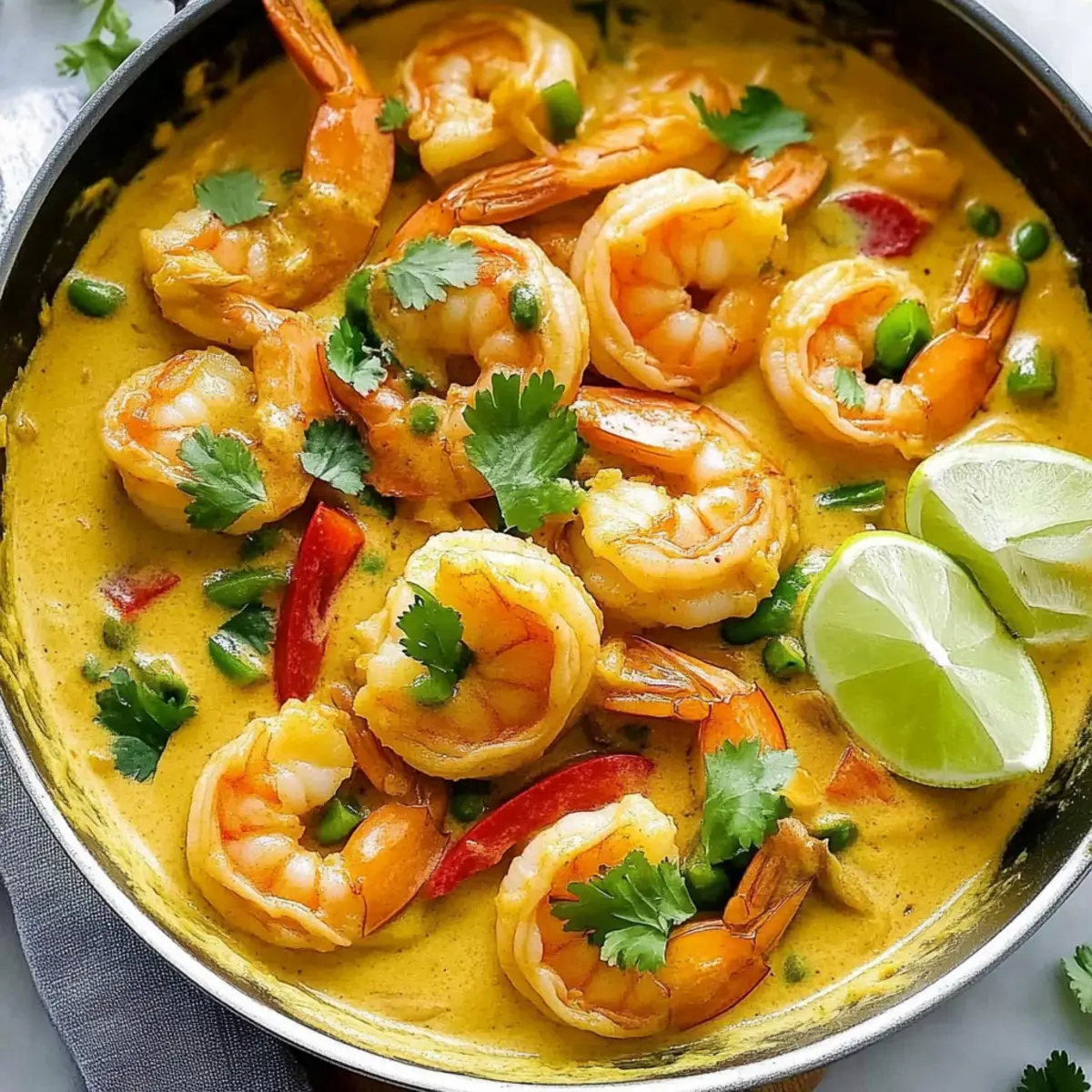
Serve the Thai Coconut Curry With Shrimp over a bed of rice or noodles for a satisfying meal. Garnish with additional chopped herbs, green onions, and sliced red jalapeño if desired for an extra touch of flavor and color. Enjoy the creamy, rich sauce that envelops the tender shrimp and vegetables in every bite.
Expert Tips for Thai Coconut Curry With Shrimp
• Tail-On Presentation: Keep the shrimp tails on for a visually appealing dish and easy handling at the table.
• Salt Adjustment: Start with 4 tablespoons of fish sauce in your coconut curry; you can always add more to enhance flavor without over-salting initially.
• Seasonal Veggies: Feel free to experiment with vegetables based on what’s fresh and in-season; this makes your Thai Coconut Curry With Shrimp even more vibrant and nutritious.
• Reheating Care: When reheating leftovers, do so gently on medium heat to prevent shrimp from turning rubbery. Just enough will do to warm them through!
• Texture Balance: Ensure your coconut sauce thickens by simmering properly. Look for a good coating on the back of a spoon for the perfect consistency.
Storage Tips for Thai Coconut Curry With Shrimp
Fridge: Store leftovers in an airtight container for up to 5 days to maintain freshness and flavor.
Freezer: You can freeze this Thai Coconut Curry With Shrimp for up to 3 months. Make sure to separate shrimp and sauce for optimal texture upon reheating.
Reheating: When reheating, do so gently over medium heat. Avoid high temperatures to prevent the shrimp from becoming rubbery.
Servings: Consider portioning your curry into smaller containers for easy meals throughout the week!
Make Ahead Options
These Thai Coconut Curry With Shrimp options are perfect for meal prep enthusiasts! You can marinate the shrimp up to 24 hours in advance, sealing in flavor and ensuring they’re ready to cook when you are. Additionally, chop your vegetables (onions and bell peppers) a day ahead to save precious time during dinner prep. Simply refrigerate them in an airtight container. When it’s time to enjoy your curry, sauté the prepped veggies, add in the shrimp, and follow the rest of the cooking instructions as usual. This way, you’ll have a comforting, restaurant-quality meal ready in no time, just as delicious as if you made it fresh!
Thai Coconut Curry With Shrimp Variations
Feel free to let your creativity shine and customize this dish to fit your tastes!
-
Protein Swap: Replace shrimp with chicken or tofu for a different protein option. Both choices bring their own unique flavors and textures to the curry.
-
Curry Paste Exploration: Experiment with green or panang curry paste instead of red for varied flavor profiles. This little shift can transport your taste buds to new culinary adventures.
-
Veggie Variety: Substitute bell peppers with zucchini, snap peas, or other favorite vegetables for nutritional diversity. Mix and match based on what’s in season for a fresh twist!
-
Heat Level: Add fresh sliced chili peppers for an extra kick or omit the red chili flakes altogether for a milder curry. Tailor the spice level to suit your family’s taste.
-
Nut-Free Option: If you have nut allergies, simply leave out the peanut butter. The curry will still be creamy and delicious with the coconut milk.
-
Zesty Infusion: Boost the zing with the addition of freshly grated lime zest alongside the lime juice for a brighter flavor profile. Just a hint of zest can elevate your dish.
-
Sweetener Alternatives: Swap brown sugar with honey or maple syrup for a natural sweetness that complements the dish wonderfully. Each sweetener will lend its own distinct flavor to the curry!
-
Rice Alternatives: Serve the curry over brown rice, cellophane noodles, or even spiralized zucchini noodles for a lighter, vegetable-packed meal. Each base offers a different texture experience that’s equally satisfying!
If you’re looking to impress with dessert afterward, consider making a delightful Apple Crumble Cheesecake or serve it with my delectable Pudding Tiramisu Caramel for something sweet.
What to Serve With Thai Coconut Curry With Shrimp
Imagine a cozy dinner gathering, filled with laughter and tantalizing aromas, where each dish complements the rich flavors of your creamy curry.
- Jasmine Rice: Light and fragrant, jasmine rice soaks up the delicious curry sauce, enhancing every bite with a subtle floral note.
- Crispy Spring Rolls: These crispy delights add a crunchy element to your meal and are perfect for dipping into sweet chili sauce. They offer a delightful contrast to the creamy curry.
- Steamed Broccoli: Bright and vibrant, steamed broccoli adds a nutritious touch and balances the rich flavors of the shrimp curry. It also provides a satisfying crunch.
- Cucumber Salad: A refreshing cucumber salad with a sweet vinaigrette counteracts the curry’s heat, creating a palate-cleansing effect between bites. It’s light, bright, and oh-so-delicious!
- Thai Iced Tea: This sweet, creamy drink provides a soothing contrast to the spicy curry, wrapping up your meal in a delightful, refreshing way.
- Mango Sticky Rice: For dessert, the sweet and creamy mango sticky rice brings an indulgent end to the meal, making every bite of curry worth relishing.
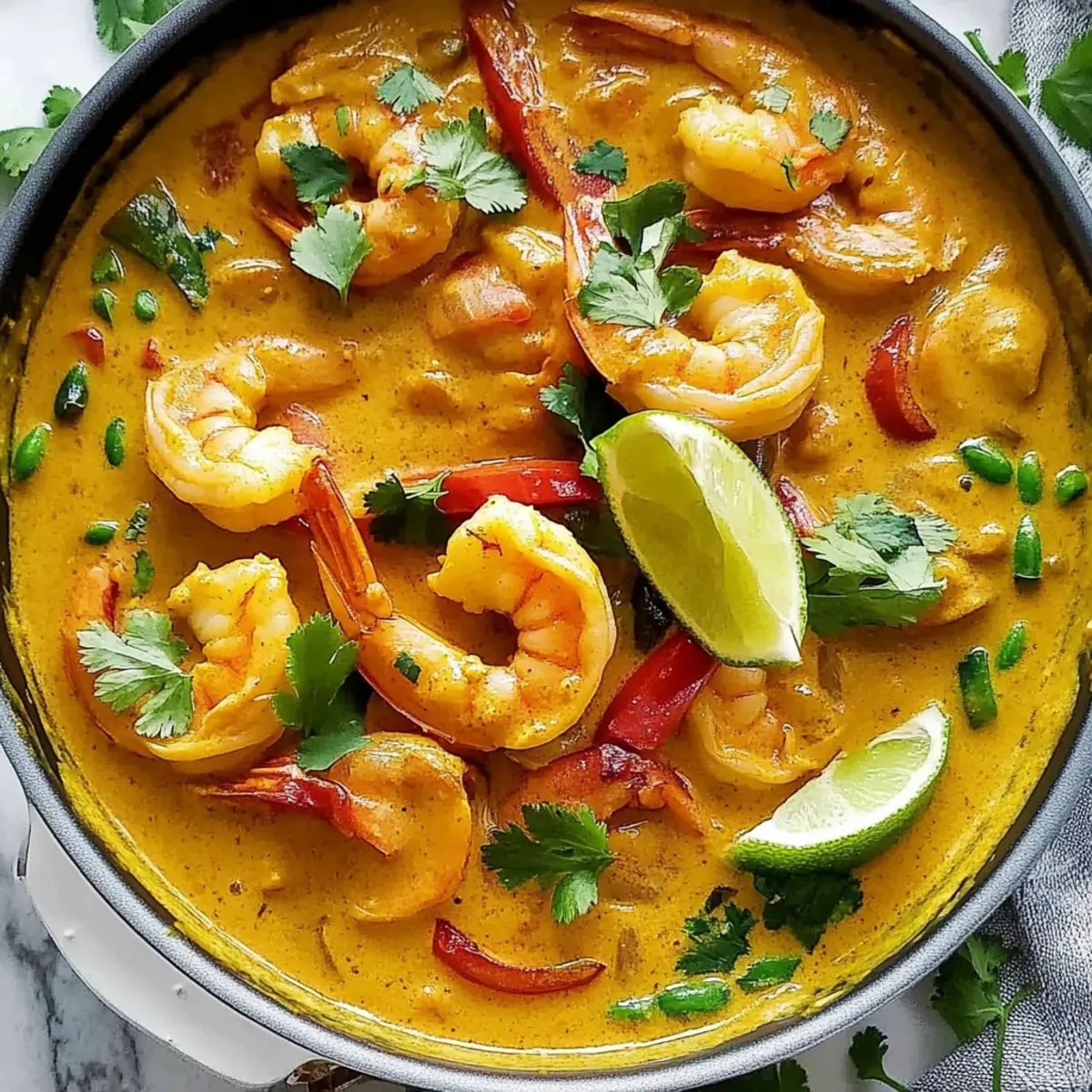
Thai Coconut Curry With Shrimp Recipe FAQs
What type of shrimp should I use for this recipe?
Absolutely! For the best results, I recommend using jumbo shrimp that are peeled and deveined. They offer a tender texture and are perfect for soaking up the delicious flavors of the curry. If you’re using frozen shrimp, make sure to thaw them in the refrigerator overnight before cooking.
How should I store leftovers of Thai Coconut Curry With Shrimp?
Store any leftovers in an airtight container in the refrigerator for up to 5 days. I often make extra to enjoy the next day! Just gently reheat over medium heat to avoid drying out the shrimp, ensuring they stay tender and flavorful.
Can I freeze Thai Coconut Curry With Shrimp?
Yes, you can! To freeze, portion the curry into airtight containers and separate the shrimp from the sauce if possible. This will help maintain the texture and flavor. The curry can be frozen for up to 3 months. To reheat, thaw overnight in the refrigerator, then gently warm on the stove until heated through.
What if I want to use different vegetables in the dish?
Very! Feel free to swap out bell peppers for other seasonal vegetables like zucchini, snap peas, or broccoli. Simply sauté them to your desired tenderness. This customization not only adds nutritional variety but also keeps the dish interesting each time you make it!
Are there any dietary considerations for this recipe?
Definitely! This Thai Coconut Curry With Shrimp recipe can easily be made gluten-free by choosing the right fish sauce. Additionally, if you or someone you’re serving has a peanut allergy, you can substitute peanut butter with almond butter or simply omit it for a deliciously creamy result.
What should I do if my shrimp becomes rubbery?
Oh no! If you’ve overcooked the shrimp, it’s common for them to turn rubbery. To avoid this, ensure you’re cooking them just until they turn opaque—approximately 2 minutes on each side is ideal. If reheating leftovers, do it gently on medium heat to prevent further rubberizing. Always aim for that tender, juicy bite!
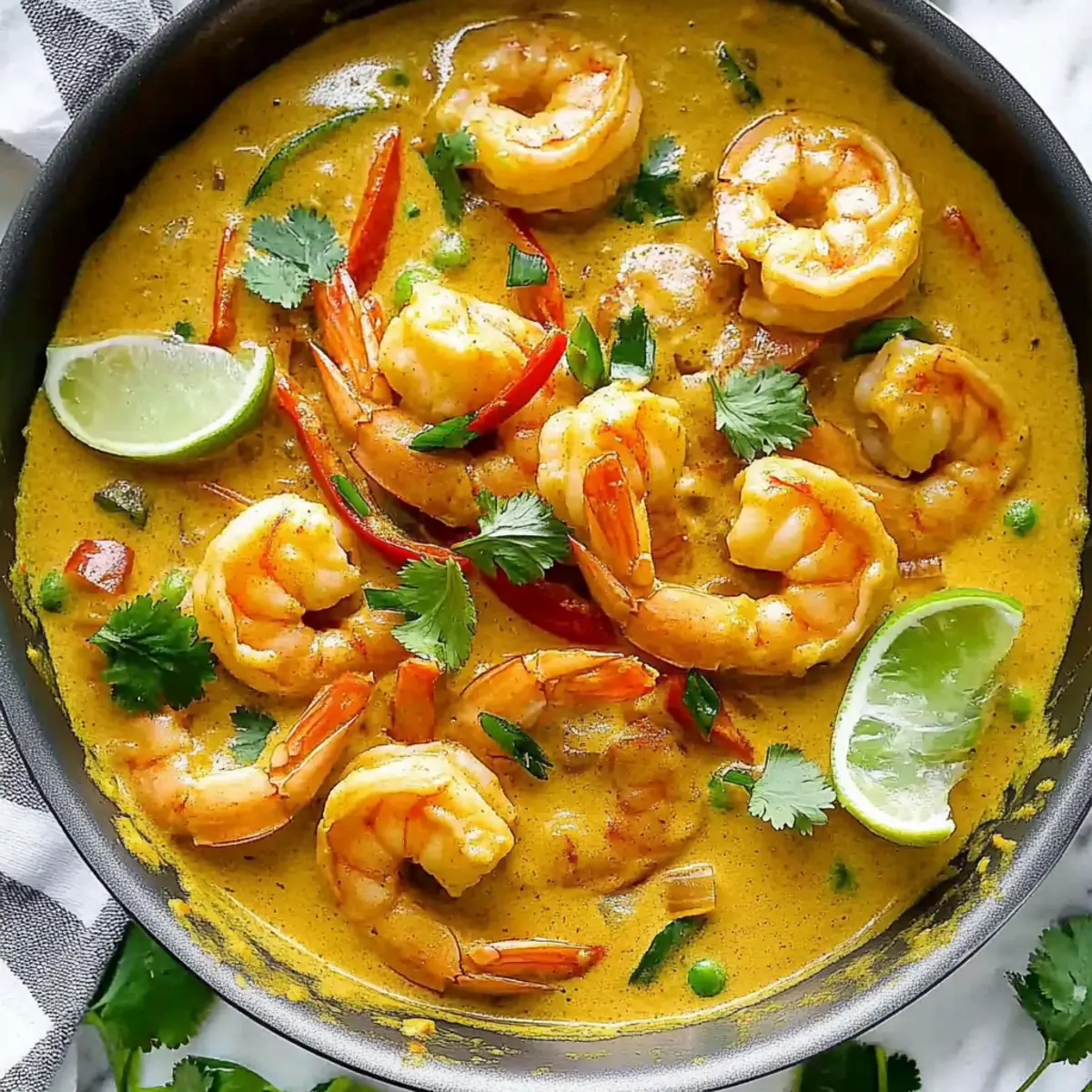
Thai Coconut Curry With Shrimp: A Flavorful 30-Minute Meal
Ingredients
Equipment
Method
- In a medium bowl, combine the shrimp with 1 tablespoon of vegetable oil, minced garlic, kosher salt, and red chili flakes. Let marinate for 10 minutes.
- Heat a skillet over medium-high heat and add 1 tablespoon of vegetable oil. Sauté the sliced onion and bell peppers for about 5 minutes until soft.
- Add half of the marinated shrimp in a single layer. Cook for 2 minutes on each side until opaque. Transfer to a plate and repeat with the remaining shrimp.
- In a bowl, whisk together coconut milk, fish sauce, peanut butter, red curry paste, lime juice, brown sugar, and ground ginger until smooth.
- Return the sautéed vegetables to the skillet, pour in the coconut sauce, bring to a boil, then reduce to a simmer for 5 minutes.
- Gently add the cooked shrimp back into the skillet, mix in chopped basil and cilantro, and heat through for 2 minutes.
- Serve the curry over rice or noodles, garnished with additional herbs, green onions, and red jalapeño.