
With the sun shining brighter and the air filled with warmth, there’s nothing quite like treating yourself to a bowl of Mango Sago on a lazy summer afternoon. This delightful dessert combines luscious mango chunks with a creamy, coconut-infused tapioca pudding, bringing a taste of the tropics right to your kitchen. What’s more, Mango Sago is incredibly easy to whip up, making it a perfect indulgence for those warm days when cooking feels like a chore. Plus, it accommodates everyone—from the health-conscious to those embracing plant-based diets—by offering a delightful vegan twist with just a simple substitute. Are you ready to create a refreshing summer favorite that will impress friends and family alike? Let’s dive into this creamy Mango Sago pudding recipe!
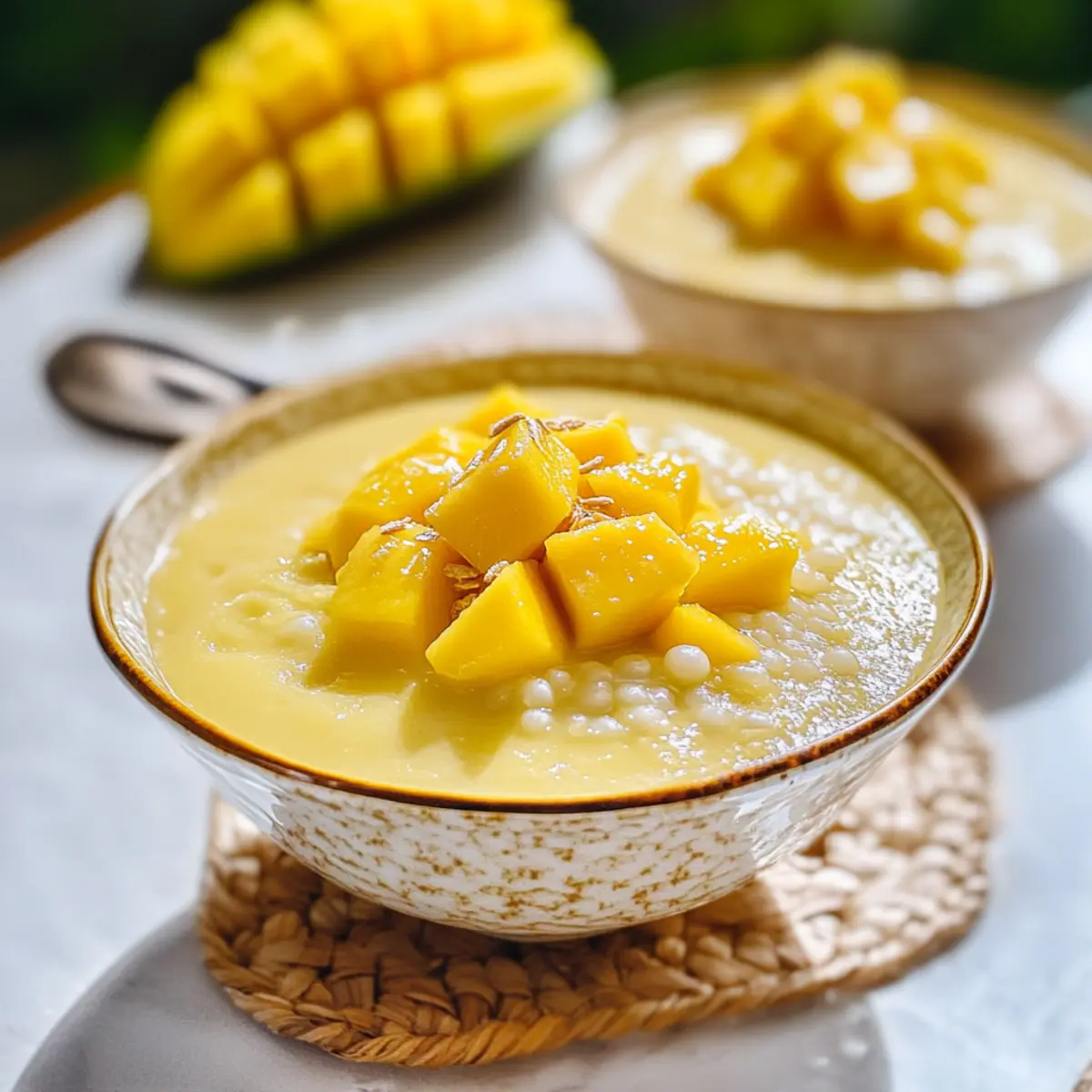
Why is Mango Sago a Must-Try?
Irresistible Refreshment: This Mango Sago pudding is brimming with tropical flavors, making it a perfect summer escape.
Easy to Make: With just a few simple ingredients, you’ll have a delightful dessert ready in no time, even on busy days.
Healthy Indulgence: Indulge guilt-free knowing this recipe offers a healthy dose of vitamins and a vegan option to cater to all dietary preferences.
Versatile and Customizable: Feel free to mix and match with other fruits or flavorings—add-ons like strawberries or pandan extract elevate this dish to new heights!
Crowd Pleaser: Serve it up at gatherings, and watch as everyone dives in for seconds. This dessert is bound to be a hit!
For more exciting recipes, check out our guide on summer desserts perfect for warm days.
Mango Sago Ingredients
For the Pudding
• Small-sized uncooked tapioca – This provides the delightful chewy texture essential to a great Mango Sago. Be sure to boil thoroughly to avoid clumping!
• Ripe mangos – Adding juicy sweetness and that tropical zing; ensure you choose perfectly ripe fruits, setting aside some for your topping.
• Unsweetened coconut milk – Gives your pudding that creamy richness without the dairy; half of a 13.5 oz can works wonders here.
• Sweetened condensed milk – A classic sweetener for your dish; adjust based on your desired sweetness, and switch to agave syrup for a vegan option.
• Vanilla extract – This boosts the flavor profile, making your dessert even more irresistible!
Optional Toppings
• Fresh mango chunks – Use these for topping to enhance the tropical experience; they add a fresh burst to each spoonful!
• Mint leaves – A sprig of mint offers a touch of color and refreshing aroma, making it a lovely garnish.
Dive into making your delicious Mango Sago with these simple ingredients, perfect for a warm summer day!
Step‑by‑Step Instructions for Mango Sago
Step 1: Boil the Tapioca
Start by bringing 4 cups of water to a rolling boil in a medium pot. Carefully add the small-sized uncooked tapioca into the boiling water, stirring gently. Allow the mixture to return to a boil, then reduce the heat to medium-low, covering the pot. Let it simmer for 20 minutes until the tapioca pearls become completely transparent; if any white centers remain, turn off the heat and cover for an additional 10 minutes.
Step 2: Rinse the Tapioca
Once cooked, use a fine mesh strainer to drain the tapioca, then rinse it under cold water to remove excess starch. Keep the pearls in the strainer for a few moments until they cool down. Transfer them to a bowl and soak in cold water to ensure they remain chewy and prevent sticking while you prepare the other components of your Mango Sago.
Step 3: Prepare the Mangos
While the tapioca is cooling, peel the ripe mangos and carefully remove the pits. Cut one mango into small chunks to reserve for topping later. The remaining mango flesh should be added to a blender. By using ripe, juicy mangos, you’ll enhance the flavor profile of your Mango Sago and ensure a luscious, tropical texture in your pudding.
Step 4: Blend the Mixture
In the blender, add half of a 13.5 oz can of unsweetened coconut milk, the sweetened condensed milk, and a splash of vanilla extract alongside the mango pieces. Blend this mixture on high until it achieves a smooth, creamy consistency. Once well combined, transfer the mango mixture into a large bowl, creating the rich base for your Mango Sago.
Step 5: Chill the Mango Mixture
If you prefer a chilled dessert, let your mango pudding mixture rest in the refrigerator for at least an hour. This allows the flavors to meld beautifully while it cools down, enhancing the overall experience of enjoying your creamy Mango Sago on a warm day. The chilling step is optional but highly recommended for a refreshing treat.
Step 6: Combine the Ingredients
After chilling, drain the previously cooked tapioca pearls from the cold water, ensuring they’re fully rinsed and ready to be mixed. Gently fold the tapioca into the mango pudding mixture, combining them thoroughly to create the signature blend of textures in the Mango Sago. The chewy pearls should be evenly distributed throughout the creamy mango base.
Step 7: Serve and Garnish
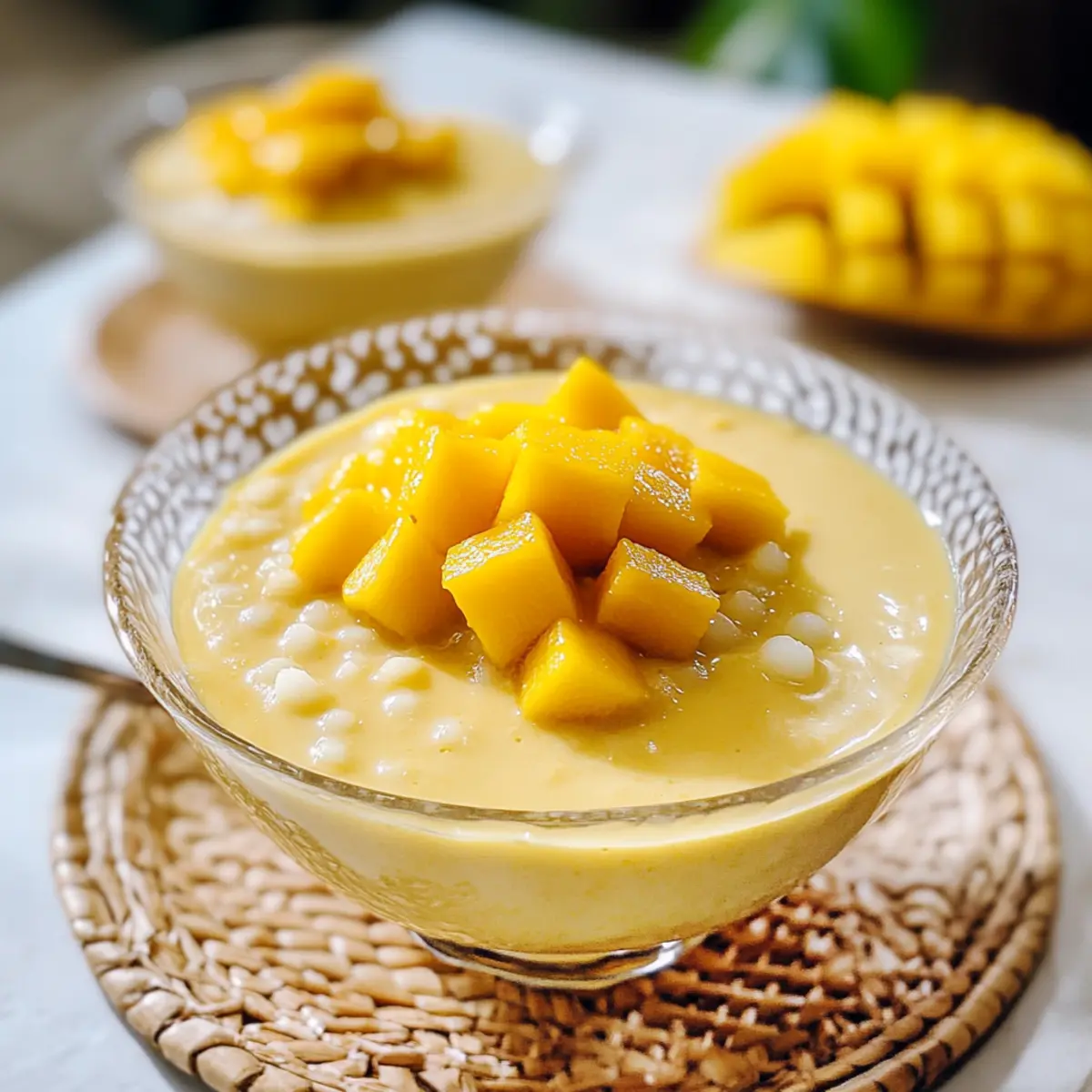
Scoop the Mango Sago into individual serving bowls or cups, ensuring each portion has a generous amount of the creamy pudding. Top with the reserved mango chunks for a vibrant, fresh appearance. Optionally, garnish with mint leaves for a pop of color and additional freshness, making your Mango Sago an inviting and visually appealing dessert for everyone to enjoy.
Mango Sago Variations & Substitutions
Feel free to explore these delightful variations to make the recipe truly your own!
-
Vegan Substitution: Replace sweetened condensed milk with agave syrup or simple syrup for a creamy, plant-based alternative.
-
Mixed Fruit Version: Add diced strawberries or bananas for a colorful twist; the additional fruits work beautifully with the mango’s sweetness.
-
Pandan Flavor Boost: Incorporate a hint of pandan extract to give your Mango Sago an authentic Asian dessert flair. It’s a lovely aromatic addition.
-
Coconut Cream Swap: For an even richer dessert, you can use coconut cream instead of coconut milk. This adds indulgent creaminess that’s hard to resist.
-
Tapioca Texture Adjustment: For a different texture, try using larger tapioca pearls. They’ll add more chewiness and present beautifully in the pudding.
-
Spiced Variation: A pinch of cinnamon or cardamom can bring a warm, spicy note to the dish, enhancing the overall flavor—you’ll be amazed at the difference!
-
Chili Heat: For those who love a kick, sprinkle a little chili powder or serve with a side of spicy mango salsa for an exciting contrast.
-
Serving Ideas: Explore unique serving options—try pairing the Mango Sago with coconut sorbet or a light coconut cake for an unforgettable tropical dessert experience!
For other flavor-packed desserts that pair perfectly, check out our guide on summer delights that keep your taste buds dancing!
What to Serve with Creamy Mango Sago Pudding
Imagine a vibrant summer gathering, where a bowl of creamy Mango Sago sits proudly at the center, inviting everyone to indulge in blissful tropical flavors.
- Crispy Tempura Vegetables: These light, crispy bites make a delightful contrast to the creamy pudding, offering a savory balance to your meal.
- Coconut Rice: This subtly sweet, fragrant side pairs beautifully with Mango Sago, enhancing the tropical essence while providing a comforting texture.
- Fresh Tropical Fruit Salad: A mix of juicy pineapples, kiwis, and strawberries elevates the experience with bright flavors and refreshing crunch, complementing the creamy dessert.
- Thai Spring Rolls: Light and fresh, these rolls filled with herbs and vegetables provide a lovely textural contrast to the pudding, making for a delightful combination.
- Mint-Infused Iced Tea: Refreshing and slightly sweet, this drink echoes the tropical theme while providing a cool palate cleanser between bites of Mango Sago.
- Pineapple Sorbet: For an extra fruity dessert following the mango pudding, the sorbet’s icy texture and tartness create a wonderful finish to your meal, leaving everyone satisfied.
Experiment with these pairings to create a summer feast that captures the essence of warm, tropical days while celebrating the delightful flavors of your Mango Sago!
Tips for the Best Mango Sago
Boiling Technique: Ensure your water is at a rolling boil before adding tapioca. This prevents clumping and ensures even cooking for your Mango Sago.
Sweetness Adjustments: Remember that cold temperatures can dull sweetness perception; consider adding more condensed milk or sweetener if serving chilled.
Mango Selection: Use ripe, juicy mangos for the best flavor. If they’re too firm, your Mango Sago may lack that luscious, tropical taste you’re aiming for.
Chilling Benefits: While optional, chilling your mango mixture enhances the flavor development and ensures a refreshing treat, especially on hot summer days.
Easy Garnishing: For a beautiful presentation, keep the mango chunks aside for topping; add in mint leaves for a pop of color and freshness!
How to Store and Freeze Mango Sago
Fridge: Store leftover Mango Sago in an airtight container in the fridge for up to 1 day. Note that the tapioca may soften over time, but the flavors will still be delightful.
Freezer: If you want to freeze Mango Sago, portion it into freezer-safe containers. It can be frozen for up to 1 month, but the texture may change once thawed.
Thawing: To enjoy frozen Mango Sago, transfer it to the fridge to thaw overnight. Stir gently before serving to restore its creamy texture and taste.
Reheating: If you prefer it warm, gently reheat the Mango Sago on the stove over low heat while stirring. Be careful not to overheat, as it can turn grainy.
Make Ahead Options
These Mango Sago pudding cups are perfect for busy home cooks looking to save time without sacrificing flavor! You can prepare the mango pudding mixture (coconut milk, condensed milk, and blended mango) up to 24 hours in advance. Simply store it in an airtight container in the fridge. The tapioca pearls can also be cooked and placed in cold water for up to 3 days; just be sure to drain and rinse them before mixing with the pudding to keep their chewy texture intact. When ready to serve, combine the tapioca with the pudding mixture, and top with reserved mango chunks for a delightful and refreshing dessert that requires minimal effort!
Mango Sago Recipe FAQs
How do I select ripe mangos for this recipe?
Absolutely! When selecting ripe mangos, look for fruits that yield slightly to gentle pressure and have a sweet aroma near the stem. The skin may show some yellow or even a few dark spots, indicating ripeness. Avoid hard mangos or those with large dark spots, as they may be overripe or not sweet enough.
How should I store leftover Mango Sago?
Very simply! Store any leftovers in an airtight container in the fridge for up to 1 day. It’s essential to note that while the flavors will remain delightful, the tapioca pearls may soften further over time.
Can I freeze Mango Sago for later?
Yes, you can! To freeze, portion the Mango Sago into freezer-safe containers or ice cube trays to save space. It can be frozen for up to 1 month. However, keep in mind that the texture may change once thawed.
What is the best way to thaw frozen Mango Sago?
To thaw your frozen Mango Sago, simply transfer it to the fridge and let it thaw overnight. Once thawed, stir gently to restore its creamy texture before serving. If you find the consistency slightly off, you can add a splash of coconut milk to enhance its creaminess.
Can I make Mango Sago vegan?
Absolutely! To make this delectable dessert vegan, simply substitute the sweetened condensed milk with agave syrup or simple syrup. This way, you’ll still enjoy the same creamy texture and sweetness, accommodating all dietary preferences.
What should I do if my tapioca clumps while cooking?
If you notice clumps in your tapioca, the primary culprit is usually not bringing the water to a full boil before adding tapioca. To troubleshoot, try running your cooked tapioca under cold water immediately after draining it and soaking it in cold water to separate the pearls. If you have clumping before cooking, it’s best to start over to save your mango masterpiece!
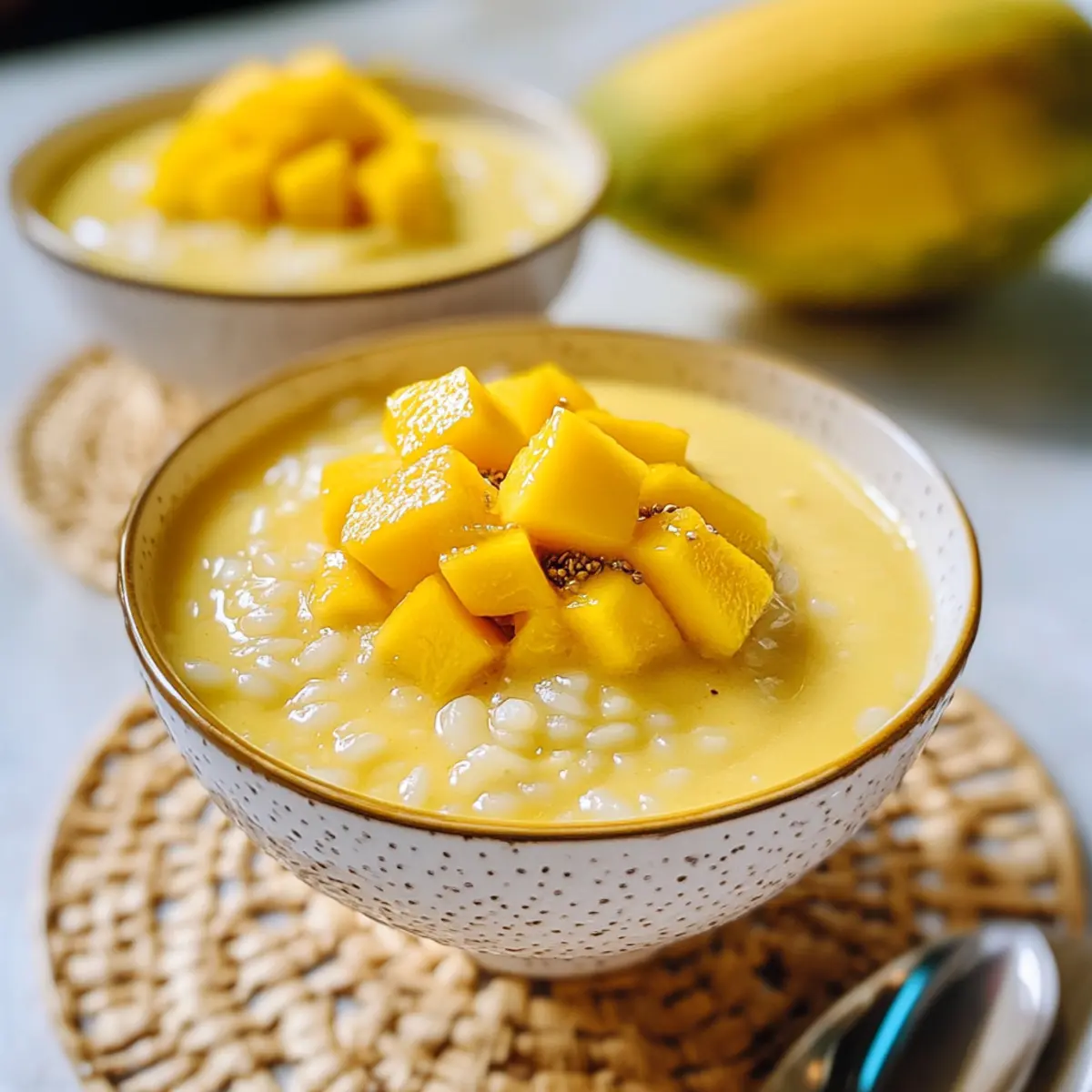
Mango Sago: A Creamy, Refreshing Summer Dessert You’ll Love
Ingredients
Equipment
Method
- Start by bringing 4 cups of water to a rolling boil in a medium pot. Carefully add the small-sized uncooked tapioca into the boiling water, stirring gently.
- Allow the mixture to return to a boil, then reduce the heat to medium-low, covering the pot. Let it simmer for 20 minutes until the tapioca pearls become completely transparent.
- Once cooked, use a fine mesh strainer to drain the tapioca, then rinse it under cold water to remove excess starch.
- Peel the ripe mangos and carefully remove the pits. Cut one mango into small chunks for topping later, add the remaining mango flesh to a blender.
- In the blender, add half of a 13.5 oz can of unsweetened coconut milk, the sweetened condensed milk, and a splash of vanilla extract alongside the mango pieces. Blend until smooth.
- Let your mango pudding mixture rest in the refrigerator for at least an hour for chilling.
- After chilling, drain the cooked tapioca pearls and gently fold them into the mango pudding mixture.
- Scoop the Mango Sago into individual serving bowls, and top with reserved mango chunks and mint leaves.