
As I stood in my kitchen, a basket full of vibrant spring vegetables caught my eye, each one beckoning to be part of something special. That’s when the idea for my Pasta Primavera came to life—a creamy delight that captures the essence of the season. It’s not just a dish; it’s a canvas for colorful veggies and rich flavors! The beauty of this recipe lies not only in its simplicity—perfect for a quick weeknight dinner—but also in its versatility; you can easily customize it with whatever seasonal veggies you have on hand. Whether you’re aiming for a healthy twist or a comforting indulgence, Pasta Primavera is here to elevate your home-cooked meals. Ready to dive into a bowl of creamy goodness that’s both nourishing and delightful? Let’s get cooking!
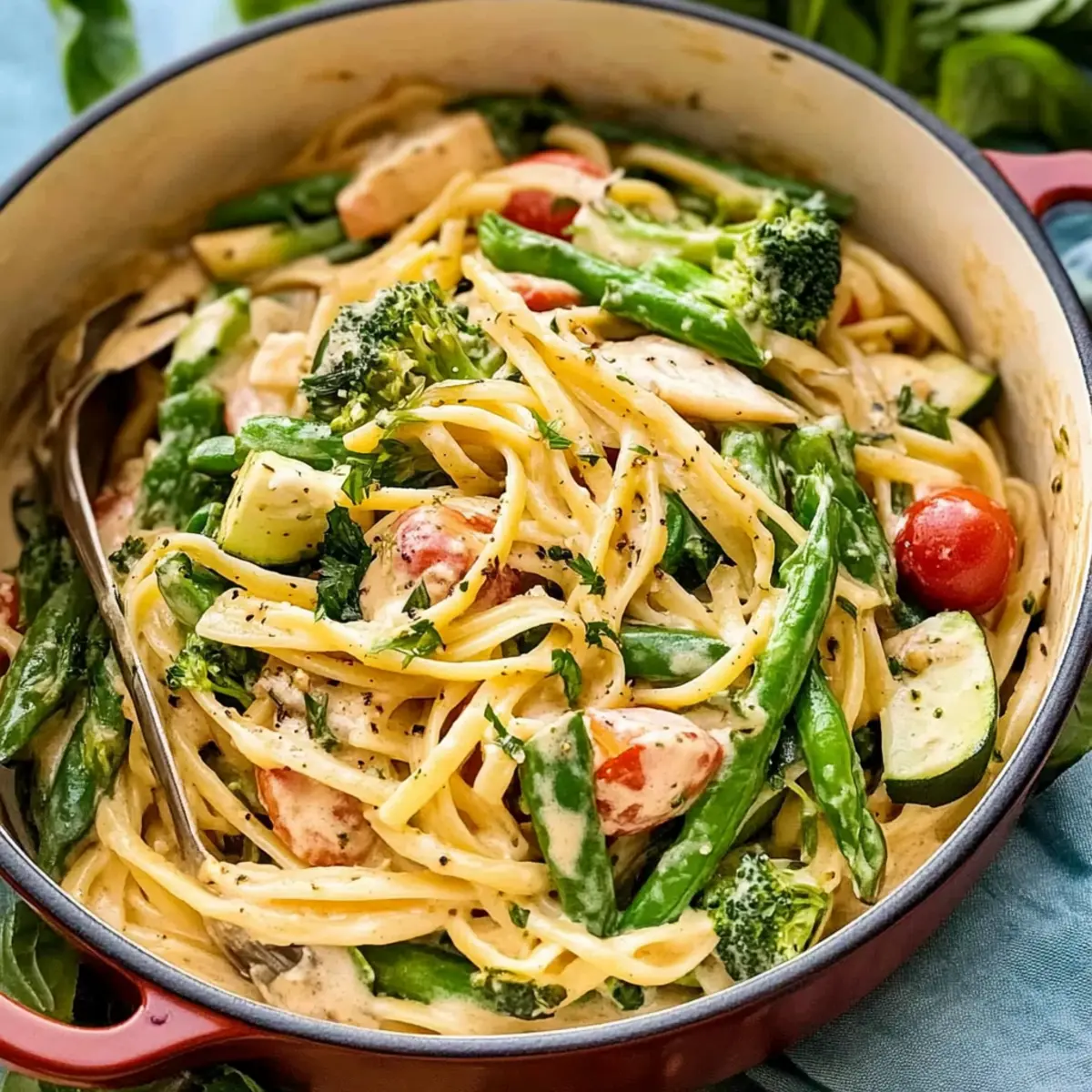
Why is Pasta Primavera a Must-Try?
Vibrant, Colorful Dish: Pasta Primavera isn’t just food; it’s art on a plate with a medley of seasonal vegetables.
Healthful Indulgence: Packed with nutrients, this meal lets you indulge without guilt, perfect for any wellness journey.
Quick and Easy: This recipe comes together in under 30 minutes, making it ideal for busy weeknights or impromptu dinners.
Endless Variations: Feel free to swap in your favorite veggies or add protein like chicken or shrimp, making it a versatile staple in your kitchen.
Crowd-Pleaser: Whether serving family or friends, this dish impresses with its rich flavors, ensuring everyone leaves satisfied.
Elevate your dinner with this delightful Pasta Primavera, and savor the tasty benefits of fresh ingredients!
Pasta Primavera Ingredients
For the Pasta
• Linguine (300g / 10 oz) – Main carbohydrate component; substitute with fettuccine or any long flat pasta to maintain texture.
For the Vegetables
• White Mushrooms (150g / 5 oz) – Adds umami flavor and texture; replace with any sliceable mushrooms like portobello.
• Zucchini (1/2 large) – Contributes creaminess and moisture; substitute with carrots for a similar texture.
• Broccolini (1 bunch) – Provides a fresh, crunchy element; regular broccoli can be used as an alternative.
• Snow Peas (1 1/2 cups) – Offers sweetness and crunch; green beans can serve as a substitute.
• Green Asparagus (1 bunch) – Adds a spring-like flavor; can be swapped with more broccolini or zucchini.
• Green Peas (1 cup) – Brings sweetness and a pop of color; frozen peas work well here.
• Cherry Tomatoes (10) – Adds acidity and sweetness; substitute with chopped regular tomatoes.
For the Sauce
• Garlic (2 cloves, minced) – Enhances flavor; fresh shallots can be used if needed.
• Unsalted Butter (75g / 5 tbsp) – Adds richness to the sauce; can reduce or replace with olive oil for a lighter version.
• Thickened/Heavy Cream (1 cup) – Creates the creamy sauce base; low-fat cream can be used but may alter texture.
• Parmigiano Reggiano (1/2 cup, finely grated) – For a rich, cheesy flavor; substitute with regular parmesan, but ensure it’s freshly grated.
• Extra Virgin Olive Oil (3 tbsp) – Used for sautéing vegetables; can replace with butter for flavor.
• Cooking Water (1/3 cup) – Helps thicken the sauce; reserve before draining the pasta.
• Salt (1 tsp) & Black Pepper (1/4 tsp) – For seasoning; adjust to taste.
• Fresh Basil (1/2 cup, finely sliced) – Adds fragrance and freshness; omit if unavailable or replace with lemon juice.
• Toasted Pine Nuts (2 tbsp) – Introduces a distinctive flavor and crunch; can be skipped if allergies are present.
With these ingredients for your Pasta Primavera, get ready to create a creamy, vegetable-rich dish that brightens up your spring meals!
Step‑by‑Step Instructions for Pasta Primavera
Step 1: Prepare Vegetables
Begin by washing and cutting your vegetables for Pasta Primavera. Slice the broccolini, zucchini, and asparagus into bite-sized pieces, and trim the snow peas. Mince the garlic finely for flavor. Make sure your veggies are uniform in size to ensure even cooking and vibrant presentation.
Step 2: Cream Sauce
In a medium saucepan over low heat, melt 75g of unsalted butter. Once melted, pour in 1 cup of thickened cream and stir continuously to combine. Gradually add 1/2 cup of finely grated Parmigiano Reggiano, stirring until fully dissolved and the mixture is creamy. Set this velvety sauce aside to keep warm.
Step 3: Cook Pasta
Fill a large pot with water and bring it to a rolling boil. Add 1 teaspoon of salt and 300g of linguine. Cook according to the package instructions, usually about 8-10 minutes, until al dente. Before draining, reserve about 1/3 cup of the pasta cooking water, which will help thicken your sauce.
Step 4: Sauté Mushrooms
While the pasta cooks, heat 3 tablespoons of extra virgin olive oil in a large skillet over medium-high heat. Add 150g of sliced white mushrooms and sauté for about 5-7 minutes until they become golden brown and fragrant. Once cooked, remove the mushrooms from the skillet and set them aside.
Step 5: Cook Remaining Vegetables
In the same skillet, add another tablespoon of oil if needed, and toss in the broccolini, snow peas, and asparagus. Sauté for about 2 minutes until they are vibrant and slightly tender. Then, add the sliced zucchini, cherry tomatoes, green peas, minced garlic, salt, and black pepper. Cook for an additional 3 minutes until the zucchini is tender-crisp.
Step 6: Combine
Return the drained linguine to the pot and add the sautéed vegetables. Pour in the cream sauce, along with the reserved pasta water, stirring gently to combine everything over medium heat. Toss for about 1-2 minutes, ensuring the sauce clings beautifully to the pasta and vegetables.
Step 7: Final Touch
Finally, remove the pot from heat and toss in 1/2 cup of finely sliced fresh basil for a burst of flavor. Serve your Pasta Primavera immediately, garnishing with 2 tablespoons of toasted pine nuts for that distinct crunch. Enjoy the creamy delight while it’s fresh!
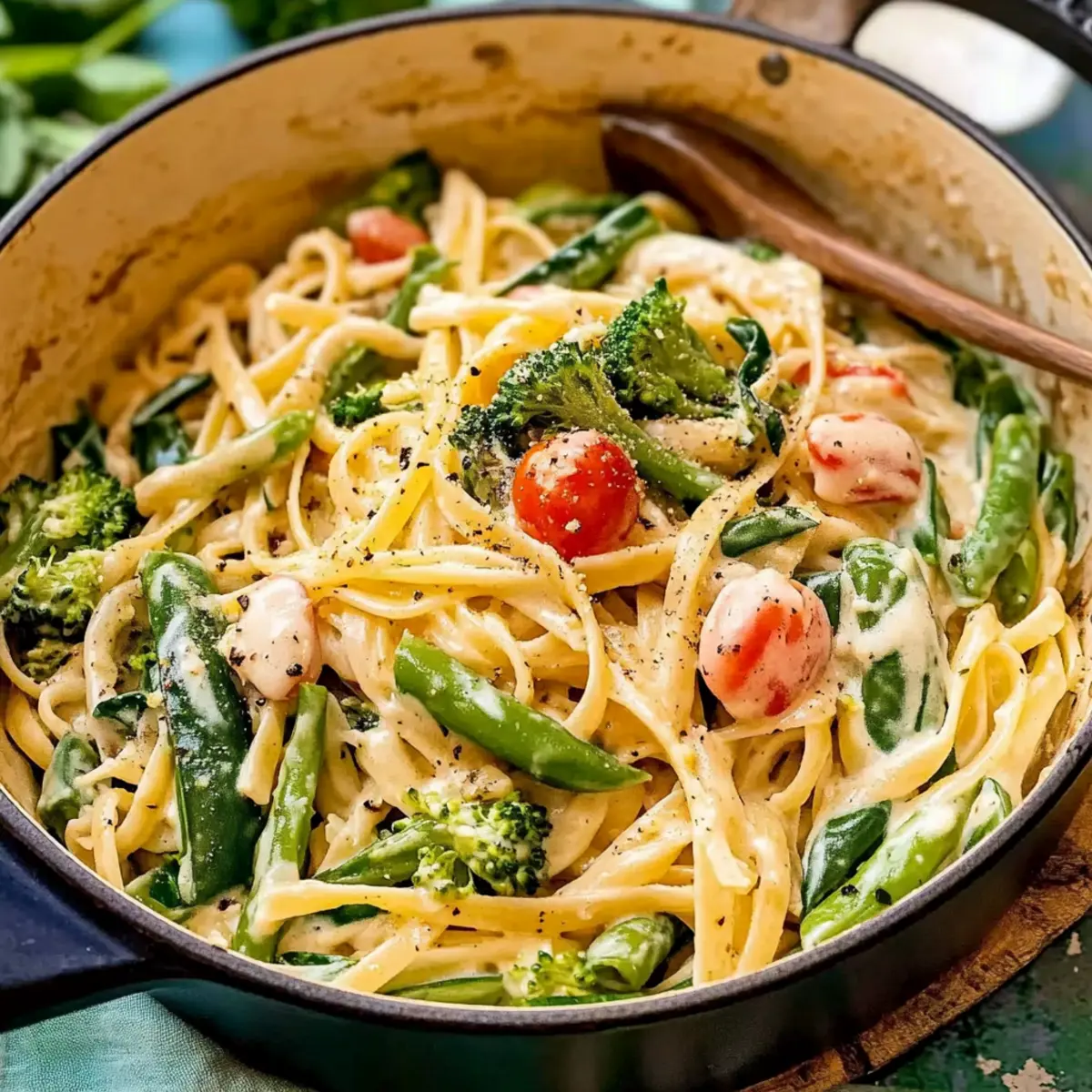
Make Ahead Options
These Pasta Primavera preparations are ideal for busy home cooks looking to save time! You can chop and refrigerate your vegetables—like broccolini, zucchini, and snow peas—for up to 3 days in advance, ensuring they stay fresh and vibrant. Additionally, prepare the cream sauce and store it in an airtight container in the fridge for up to 24 hours; this will maintain its rich flavor. When you’re ready to serve, simply cook the pasta, sauté the reserved vegetables, and combine everything with the cream sauce and a splash of reserved pasta water on medium heat for 1-2 minutes. This way, you’ll enjoy delicious, restaurant-quality Pasta Primavera with minimal effort!
Storage Tips for Pasta Primavera
Fridge: Store leftover Pasta Primavera in an airtight container for up to 3 days to maintain freshness and flavor.
Freezer: If you need to freeze, portion out Pasta Primavera in freezer-safe containers, storing for up to 2 months. Thaw overnight in the fridge before reheating.
Reheating: Gently reheat in a skillet over medium heat, adding a splash of reserved pasta water to restore creaminess to the sauce. Enjoy your vibrant, creamy Pasta Primavera once again!
Pasta Primavera Variations & Substitutions
Feel free to get creative with your Pasta Primavera and make it uniquely yours—let those flavors shine!
- Seasonal Vegetables: Swap in whatever fresh veggies you have available—think bell peppers, spinach, or asparagus for delightful twists.
- Protein Boost: For a heartier dish, add grilled chicken, shrimp, or tofu, turning your Pasta Primavera into a complete meal.
- Dairy-Free: Use coconut cream or cashew cream instead of heavy cream for a deliciously rich, dairy-free alternative.
- Herb Swap: Don’t have basil on hand? Fresh parsley or a squeeze of lemon can add bright freshness to the dish beautifully.
- Cheese Alternatives: Nutritional yeast can substitute for cheese for a vegan version, providing a nutty flavor without dairy.
- Texture Variations: Consider tossing in roasted cherry tomatoes for a burst of flavor and a slightly caramelized touch.
- Spicy Kick: Add a pinch of red pepper flakes or drizzle some sriracha on top for those who crave a little heat in their meal.
- Nut-Free: If you’re avoiding nuts, feel free to skip the pine nuts altogether or replace them with crispy fried onions for crunch.
With these suggestions, your creamy Pasta Primavera can be customized to fit any palette or dietary need—get ready to enjoy some fun in the kitchen!
Tips for the Best Pasta Primavera
-
Sauté in Order: Start with mushrooms, followed by harder veggies like asparagus, and finish with softer ones to ensure everything cooks evenly and maintains a vibrant texture.
-
Reserve Pasta Water: Don’t forget to save some pasta cooking water before draining. It’s the secret ingredient that helps your sauce reach the perfect creamy consistency in your Pasta Primavera.
-
Cream Alternatives: If using low-fat cream, anticipate a lighter sauce. For a rich taste, stick with heavy cream or add a touch more parmesan.
-
Don’t Skip Greens: Fresh basil adds an aromatic punch that elevates the dish. If unavailable, a splash of lemon juice can substitute, enhancing the flavor without losing that fresh touch.
-
Experiment with Veggies: Feel free to swap in seasonal vegetables based on what’s available. The beauty of Pasta Primavera lies in its adaptability and colorful presentation!
-
Texture Matters: Aim for tender-crisp vegetables. Overcooking can lead to mushy textures, so keep an eye during the sautéing process!
What to Serve with Pasta Primavera?
Enhance your dining experience with these delightful side dishes and beverages that beautifully complement your creamy pasta creation.
-
Garlic Bread: Crispy, buttery garlic bread adds a satisfying crunch that contrasts perfectly with the creamy pasta and provides an irresistible aroma to your meal.
-
Simple Arugula Salad: A fresh arugula salad tossed with a light lemon vinaigrette offers a peppery bite, balancing the richness of the Pasta Primavera.
-
Grilled Vegetable Platter: Seasonal grilled veggies offer smoky notes and additional textures, creating a cohesive, vegetable-forward meal. Each bite brings an exciting flavor experience!
-
Crispy Roasted Potatoes: Golden, crispy roasted potatoes add heartiness with their fluffy interior, making for a satisfying accompaniment that pairs well with the creamy elements.
-
Lemon Sorbet: As a refreshing dessert, lemon sorbet cleanses the palate, making for a light and lively finish after the richness of the pasta.
-
Chilled White Wine: A glass of chilled white wine, such as Sauvignon Blanc, enhances the fresh flavors of the veggies while harmonizing beautifully with the creamy sauce.
-
Sparkling Water with Lime: For a non-alcoholic option, serve sparkling water infused with lime for a zesty, refreshing companion that cuts through the creaminess of the dish.
Explore these pairing options and create a restaurant-quality experience right at home with your Pasta Primavera!
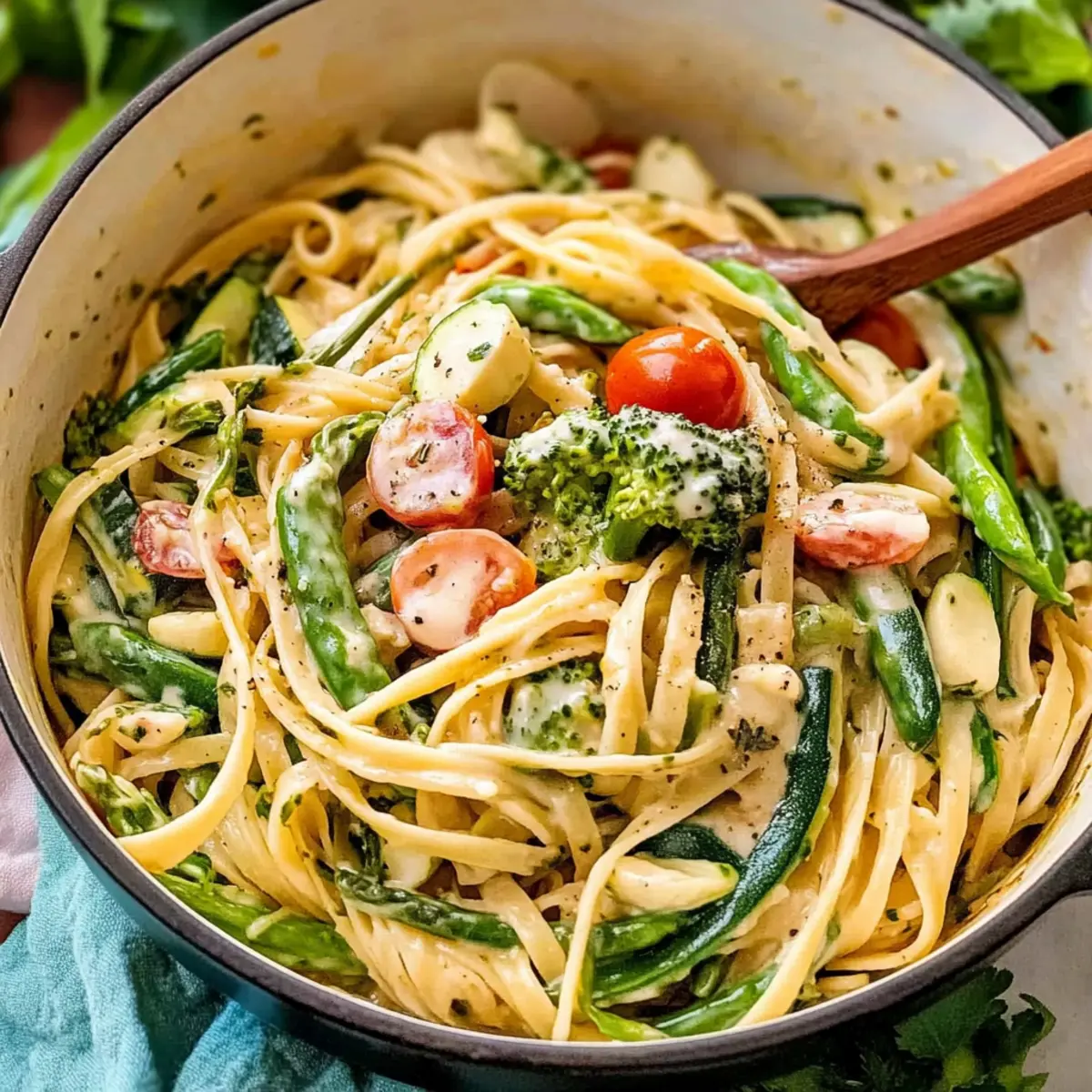
Pasta Primavera Recipe FAQs
How do I choose the best vegetables for Pasta Primavera?
Absolutely! For the freshest taste, select seasonal vegetables—look for vibrant colors and firm textures. Avoid any veggies with dark spots or wilting. I recommend picking a variety of textures for the best flavor profile; crunchy broccolini, tender zucchini, and sweet snap peas make a great mix!
How can I store leftover Pasta Primavera?
Very simple! Transfer any leftovers into an airtight container, and you can refrigerate them for up to 3 days. When reheating, add a splash of reserved pasta water to revive the creaminess of the sauce. It’s a delightful way to enjoy your pasta once more!
Can I freeze Pasta Primavera?
You can! Portion out your Pasta Primavera into freezer-safe containers, and store it for up to 2 months. When you’re ready to enjoy, let it thaw overnight in the fridge. Reheat it gently on the stove, adding a little reserved pasta water as needed. This way, you can savor the creamy goodness again without compromising texture.
What if my cream sauce isn’t thickening?
If your sauce doesn’t seem to thicken, don’t fret! First, try adding a bit more reserved pasta water, stirring gently on medium heat until it clings to the pasta perfectly. If it’s too thin, consider adding more grated Parmesan—this will enrich the sauce and help with consistency.
Is Pasta Primavera suitable for vegetarians and allergies?
Absolutely! This recipe is vegetarian-friendly, perfect for those seeking a plant-based meal. However, if you or your guests have nut allergies, you can skip the toasted pine nuts or substitute with seeds like sunflower seeds for a similar crunch. Always check the ingredient labels to ensure safety!
Can I substitute the heavy cream with a lighter option?
Yes, you can! If you choose to use low-fat cream, keep in mind that the texture of the sauce will be lighter compared to heavy cream, which can be creamier and more luxurious. You can also experiment with alternatives like cashew cream or coconut cream for a unique twist, but be aware that this will alter the flavor profile slightly.
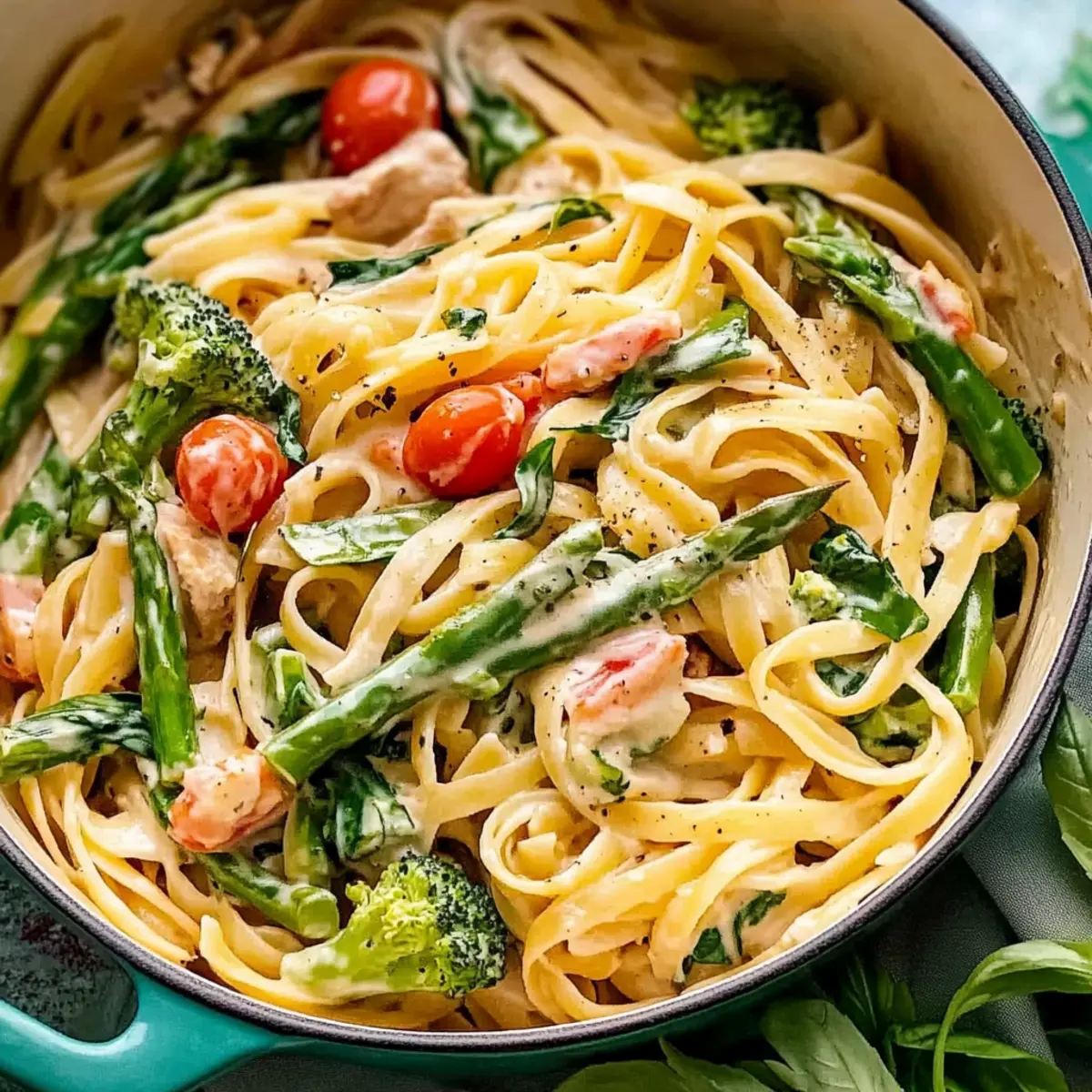
Creamy Pasta Primavera that Brightens Your Spring Meals
Ingredients
Equipment
Method
- Begin by washing and cutting your vegetables for Pasta Primavera. Slice the broccolini, zucchini, and asparagus into bite-sized pieces, and trim the snow peas. Mince the garlic finely for flavor. Make sure your veggies are uniform in size to ensure even cooking and vibrant presentation.
- In a medium saucepan over low heat, melt 75g of unsalted butter. Once melted, pour in 1 cup of thickened cream and stir continuously to combine. Gradually add 1/2 cup of finely grated Parmigiano Reggiano, stirring until fully dissolved and the mixture is creamy. Set this velvety sauce aside to keep warm.
- Fill a large pot with water and bring it to a rolling boil. Add 1 teaspoon of salt and 300g of linguine. Cook according to the package instructions, usually about 8-10 minutes, until al dente. Before draining, reserve about 1/3 cup of the pasta cooking water, which will help thicken your sauce.
- While the pasta cooks, heat 3 tablespoons of extra virgin olive oil in a large skillet over medium-high heat. Add 150g of sliced white mushrooms and sauté for about 5-7 minutes until they become golden brown and fragrant. Once cooked, remove the mushrooms from the skillet and set them aside.
- In the same skillet, add another tablespoon of oil if needed, and toss in the broccolini, snow peas, and asparagus. Sauté for about 2 minutes until they are vibrant and slightly tender. Then, add the sliced zucchini, cherry tomatoes, green peas, minced garlic, salt, and black pepper. Cook for an additional 3 minutes until the zucchini is tender-crisp.
- Return the drained linguine to the pot and add the sautéed vegetables. Pour in the cream sauce, along with the reserved pasta water, stirring gently to combine everything over medium heat. Toss for about 1-2 minutes, ensuring the sauce clings beautifully to the pasta and vegetables.
- Finally, remove the pot from heat and toss in 1/2 cup of finely sliced fresh basil for a burst of flavor. Serve your Pasta Primavera immediately, garnishing with 2 tablespoons of toasted pine nuts for that distinct crunch. Enjoy the creamy delight while it's fresh!